Tanzania Safari
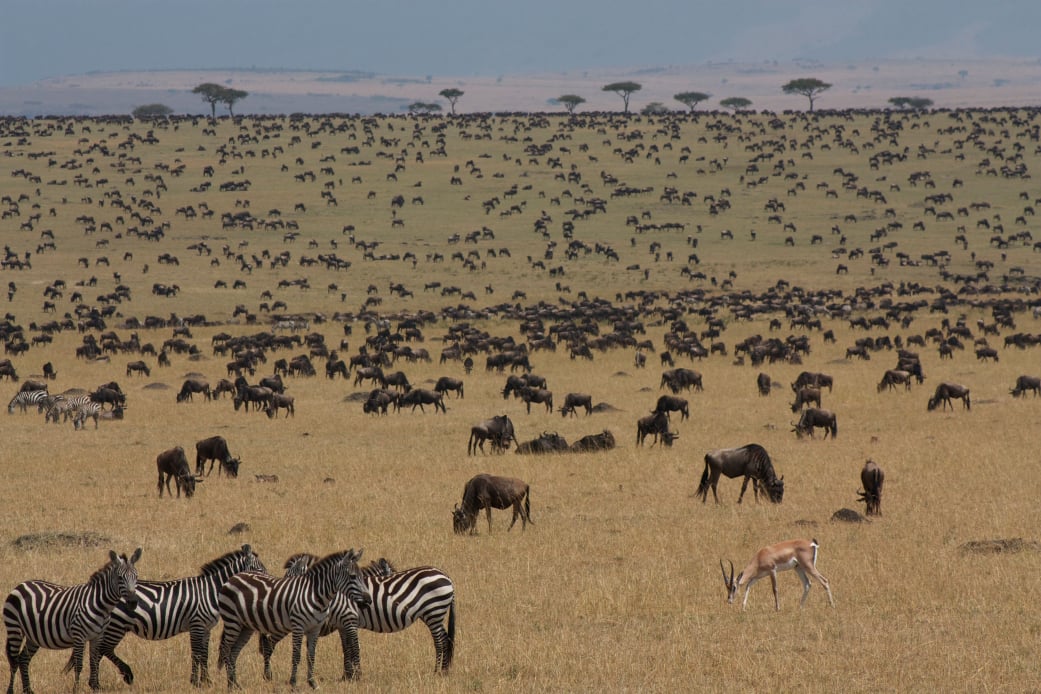
Tanzania holds some of the most complete wilderness left on the continent — the endless grass of the Serengeti, the sunken crater floor of Ngorongoro, and the great herds of the annual wildebeest migration all within a single country. Roughly a third of the land is set aside as national parks and reserves, giving wildlife room most other safari destinations simply don't have.
Every park has its own character, from the wide open plains of the north to the miombo woodland and river systems further south, so the right itinerary depends on when you're traveling and what you most want to see. Gilbays Safaris is based in Mikumi, Morogoro, right on the doorstep of the southern circuit — giving us a home-ground advantage when it comes to planning trips through this side of the country.
Our Home Ground
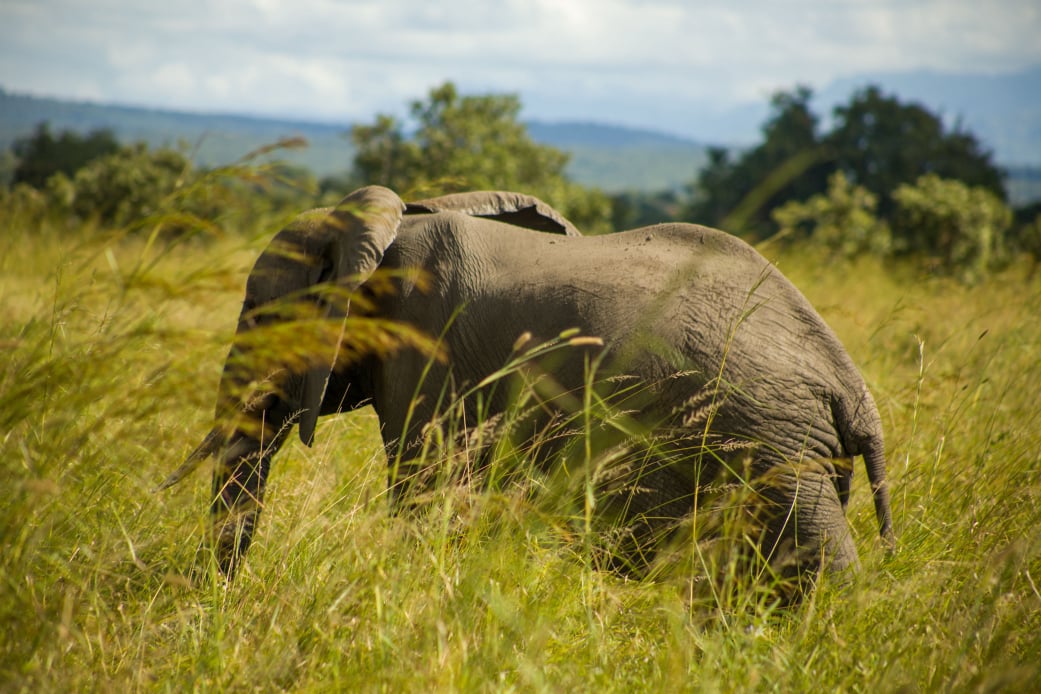
Mikumi sits right along the Dar es Salaam–Mbeya highway, just a short drive from our base in Mikumi town — making it one of the few major parks in Tanzania you can reach entirely by road, without a single flight. The open Mkata floodplain at its center is often compared to the Serengeti in miniature, drawing lion, elephant, giraffe, buffalo, zebra, and wildebeest into easy view.
Its closeness to Morogoro and Dar es Salaam makes it a natural fit for shorter safaris, weekend trips, or as the opening or closing leg of a longer southern circuit itinerary through Ruaha and Nyerere.
Choosing A Circuit
Tanzania's parks are grouped into circuits by geography, and each one offers a different mix of scenery, wildlife density, and crowd levels.
| Circuit | Key Parks | Typical Duration | Traffic | Best Suited For |
|---|---|---|---|---|
| Northern Circuit | Serengeti, Ngorongoro, Tarangire, Lake Manyara | 4–8 days | Busiest, best infrastructure | First-time visitors and migration viewing |
| Southern Circuit | Mikumi, Ruaha, Nyerere (Selous) | 2–6 days | Quiet, few other vehicles | Wilder game viewing, and Mikumi is reachable entirely by road |
| Western Circuit | Katavi, Mahale, Gombe | 3–6 days | Very quiet, fly-in access | Chimpanzee trekking and true remoteness |
Timing Your Trip
Thinner vegetation and animals gathering around water sources make game viewing easiest, and this window also covers the Serengeti river crossings. The most popular months to travel, so lodges book up well in advance.
Short rains in November and longer rains from March to May bring lush landscapes, newborn wildlife, and excellent birding, with lower rates and far fewer vehicles at the parks.
Getting Ready
Options range from permanent lodges with pools and full amenities to smaller tented camps set deeper inside the parks for a closer, quieter wildlife experience.
The wildebeest move in a rough clockwise loop through the Serengeti ecosystem year-round, so where you stay matters as much as when you travel if the migration is the priority.
Neutral-colored clothing, layers for cool early mornings, sun protection, and a good pair of binoculars go a long way — most camps also handle laundry, so packing light is easy.
Northern & Southern Circuits
From the Serengeti's endless plains to the quiet wilderness around Mikumi — browse our most-booked routes across both circuits.
 4 Days
Northern
4 Days
Northern
A focused route through the Serengeti's open plains and down into the Ngorongoro Crater, built for travelers who want their safari close to the ground.
View Itinerary 5 Days
Northern
5 Days
Northern
An extra day opens up Tarangire's baobab-studded plains and elephant herds before the route continues to the Crater floor and onward into the Serengeti's central plains.
View Itinerary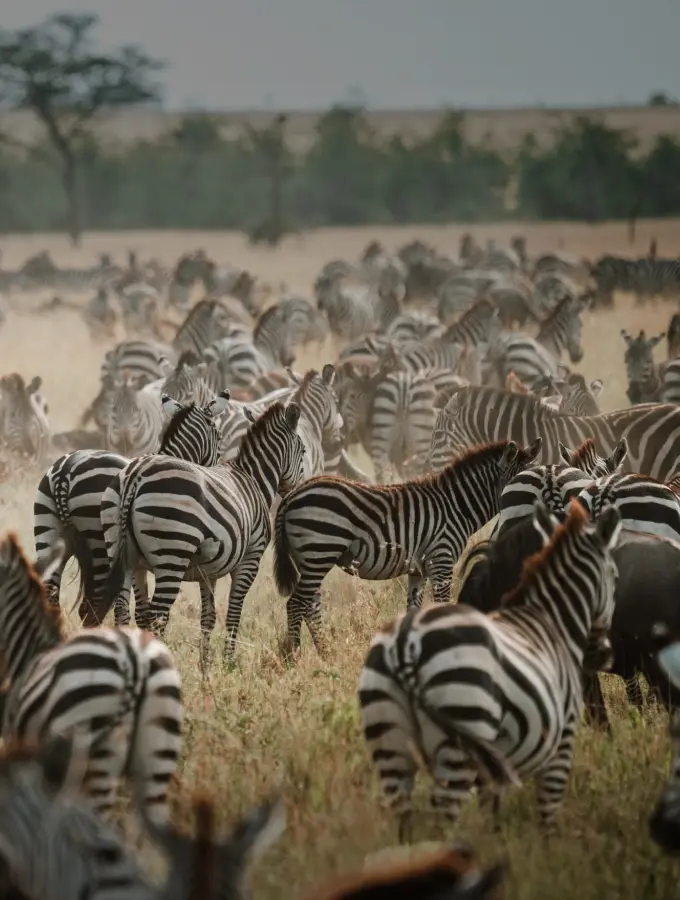 6 Days
Northern
6 Days
Northern
The full northern circuit at a relaxed pace — Tarangire's elephant herds, the Crater's dense game concentrations, and extended time exploring the Serengeti's central and western plains.
View Itinerary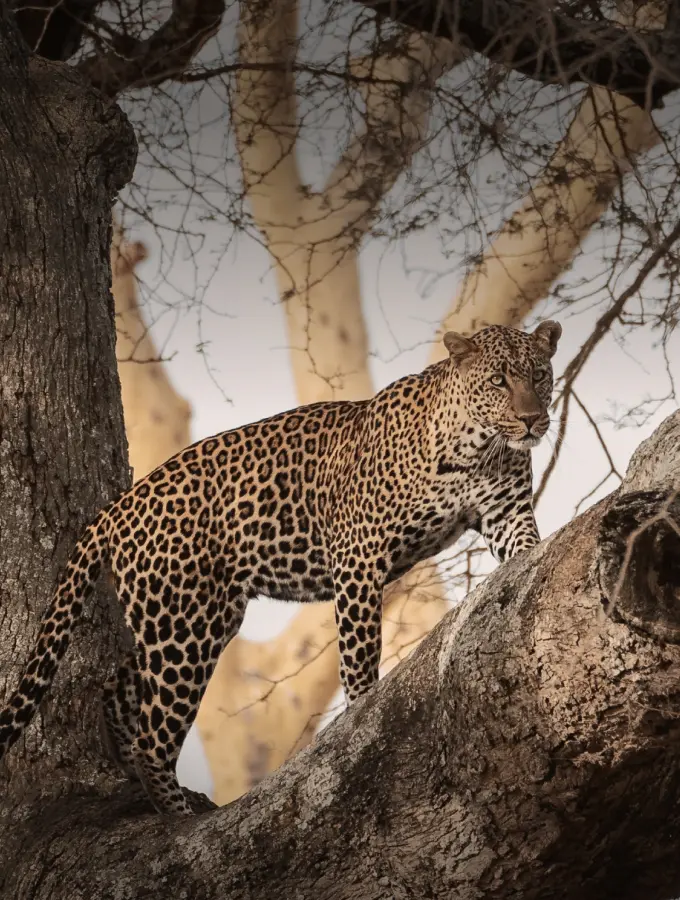 3 Days
Southern
3 Days
Southern
A short, accessible safari into Mikumi's open floodplain, with game drives among elephant, lion, and giraffe just hours from Morogoro.
View Itinerary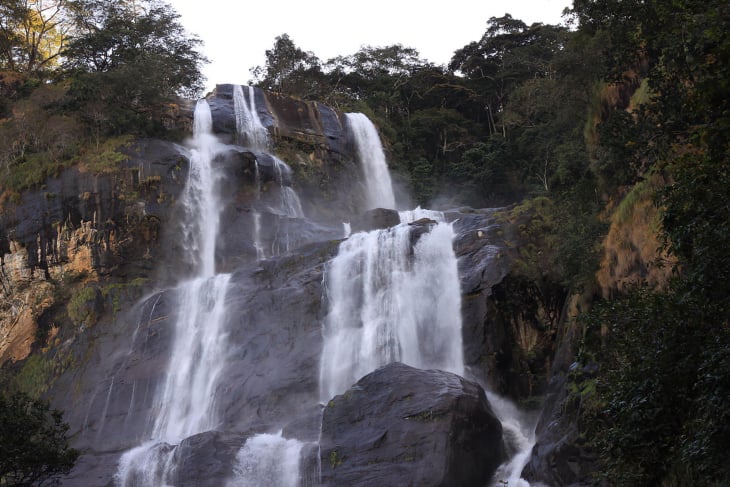 4 Days
Southern
4 Days
Southern
Game drives in Mikumi paired with a forest hike in the Udzungwa Mountains, home to waterfalls and primate species found nowhere else on the circuit.
View Itinerary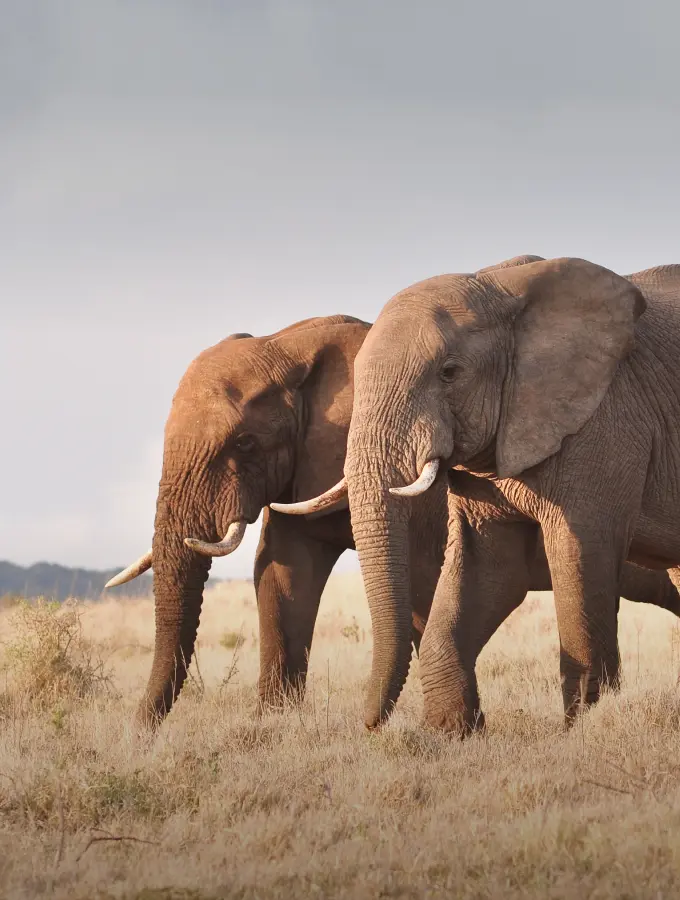 5 Days
Southern
5 Days
Southern
The full southern route — boat safaris and game drives across Nyerere's vast wilderness, followed by a closing stretch through Mikumi.
View Itinerary
Africa Adventure — Southern Circuit Specialists
Based in Mikumi, Morogoro, Gilbays Safaris runs daily departures into Mikumi National Park alongside safaris and tours across Tanzania — from game drives to Maasai cultural excursions.